Lucien TITO
Machine Learning Engineer | Computer Vision | Natural Language Processing
Contact
- email: mailto:lucien.tito@example.com
- linkedin: https://www.linkedin.com/in/lucientito/
- upwork: https://www.upwork.com/freelancers/~lucientito
- WhatsApp: + 229 43 51 08 15
- Telephone: +229 62 02 74 28
🌍Looking for Long-Term Collaboration in Machine Learning I am passionate about solving real-world problems using Machine Learning solutions and am seeking long-term opportunities to make a lasting impact through Machine Learning. Machine Learning, combined with Python and Deep Learning, is the key to transforming industries, and I am focused on leveraging its power to deliver innovative results. Whether it’s improving existing processes or creating groundbreaking technologies, I aim to apply Machine Learning in every project I undertake. I specialize in developing Machine Learning models that solve complex problems, and I am dedicated to advancing Machine Learning techniques to improve the world around us.
🌍Over 2 Years of Expertise in Machine Learning My journey in Machine Learning spans over 2 years, specializing in Computer Vision 🖼️ and Natural Language Processing (NLP) 📝. During these 2 years, I have accumulated extensive experience with Machine Learning algorithms and developed a deep understanding of how Machine Learning can be applied across various domains. Through countless hands-on projects, I have strengthened my proficiency in Machine Learning and have become proficient in Computer Vision, NLP, and Time-Series Modeling. With Machine Learning at the core of my work, I continue to seek opportunities to grow my skill set, leveraging Python and Deep Learning frameworks like TensorFlow and PyTorch.
🌍 Live Projects That Make a Difference
🌍Product Detection on supermarket shelves using Machine Learning, enabling automated product recognition and inventory management.
🛡️ Sharp Object Detection in X-ray images using Machine Learning, enhancing safety and security protocols in medical imaging.
🌍 Various Image Classification Models, such as:
🌍Indoor vs. Outdoor Spaces 🏠, leveraging Machine Learning to identify and classify environments.
🌍Shoe Material Classification 👟, applying Machine Learning to recognize shoe materials based on image data.
📚 Text Classification of diverse articles, using Natural Language Processing (NLP) and Machine Learning to categorize large volumes of text.
📈 Stock Forecasting with LSTM models, using Machine Learning to predict stock trends by analyzing historical data and sentiment.
🌍Certified in “Self-Driving Car Engineer” Nano Degree from Udacity 🚗💡 This certification strengthened my understanding of Machine Learning in the context of autonomous vehicles, specifically Machine Learning for Computer Vision. With practical knowledge in Machine Learning, I have been able to implement cutting-edge algorithms for real-time Computer Vision applications in self-driving cars, using Python and Deep Learning frameworks.
🌍Skills and Tools I bring hands-on experience in:
🌍Machine Learning & Deep Learning, with a focus on Machine Learning algorithms that solve complex, real-world problems.
🖼️ Computer Vision & Natural Language Processing (NLP), applying Machine Learning to interpret and process images and text data effectively.
⏳ Time-Series Models for forecasting, leveraging Machine Learning to make accurate predictions based on historical data.
🛠️ TensorFlow/Keras, PyTorch, and Scikit-learn for building, training, and deploying advanced Machine Learning models.
⚡ Yolo for object detection, a powerful Machine Learning technique used for real-time applications in Computer Vision.
🐍 Python, my primary programming language for implementing Machine Learning algorithms and building robust solutions.
📦 Docker for containerization, ensuring smooth deployment and scalability of Machine Learning models across environments.
☁️ AWS (EC2, ECR, SageMaker) & Google Cloud Platform for deploying and managing Machine Learning applications at scale in the cloud.
🌍Deploying TFLite Models on Raspberry Pi with OpenCV, a project where Machine Learning is applied to edge computing devices.
🌍Let’s collaborate to turn innovative Machine Learning ideas into reality! With my expertise in Machine Learning, Computer Vision, NLP, and tools like TensorFlow, PyTorch, OpenCV, and Python, we can bring your ideas to life and make a significant impact on the industry. 🌍
Technical Skills: Python, OpenCV, Machine Learning, Scikit-Learn, TensorFlow, PyTorch, YOLO, Machine Learning, Vision Large Models, Deep Learning, Image Processing, Object Detection, Convolutional Neural Networks (CNN).
Education
-
B.S., Artificial Intelligence University of Abomey-Calavi (December 2025) -
Specialization in Data Science Africa Techup Tour (September 2024) -
Specialization in Computer Vision WorldQuant University (December 2025) -
Specialization in Computer Vision Coursera (August 2024)
Work Experience
Open Source Contributor & Freelance AI Engineer (January 2023 - Present)
- Developed data science and computer vision projects for various companies as a freelance consultant
- Contributed to open-source AI and machine learning communities, focusing on innovative solutions and collaboration
Founder @ Unity of Digital Innovation (February 2024 - Present)
- Established a company specializing in implementing cutting-edge technologies and AI-based solutions for businesses
- Led a team to design and deploy innovative AI-driven projects across various industries
Projects
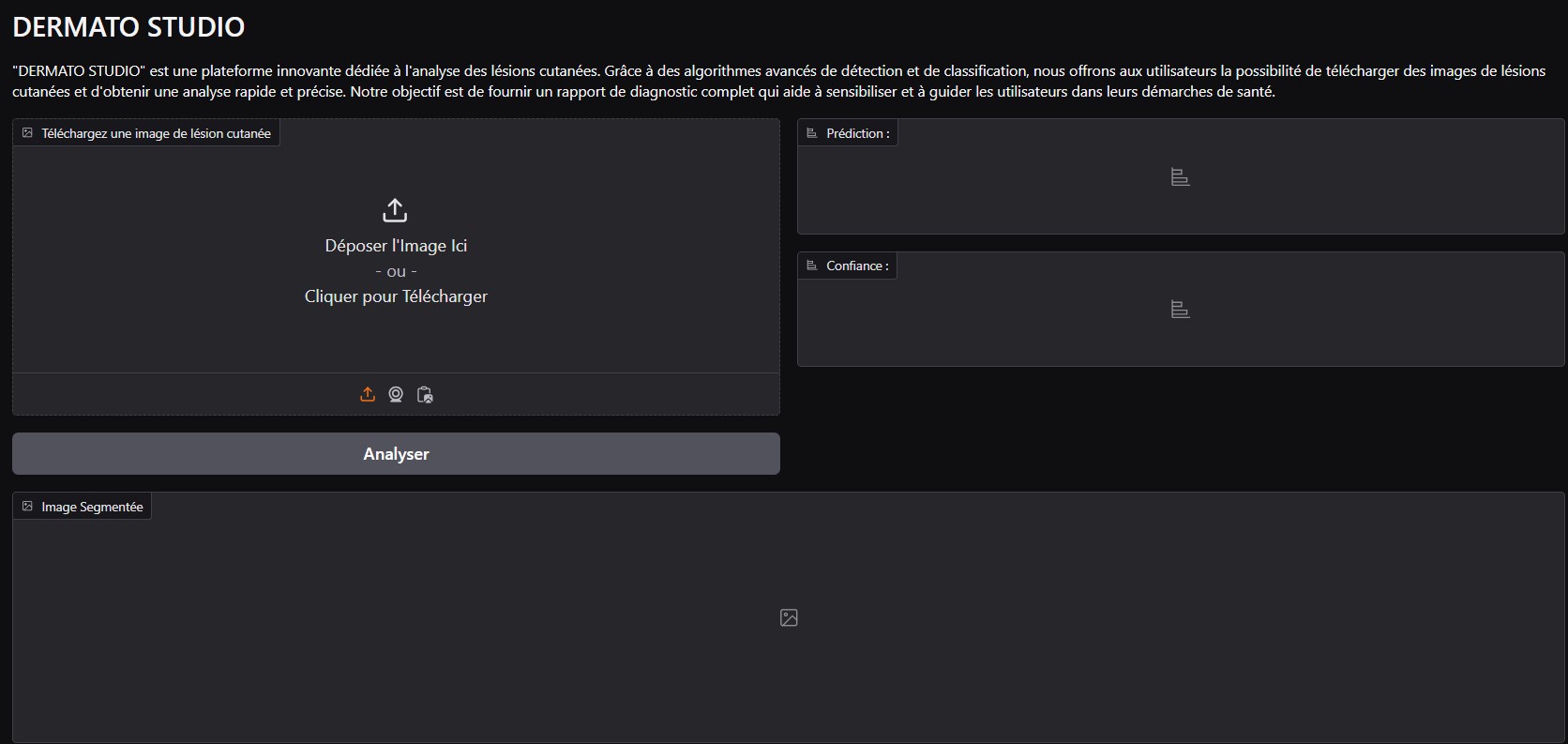
DERMATO STUDIO - COMING SOON
Project Overview
DERMATO STUDIO is an innovative web application designed for the early detection of skin diseases through the analysis of dermatoscopic images. By leveraging advanced deep learning techniques, this platform aims to assist users in identifying and segmenting skin abnormalities, thus improving access to dermatological diagnostics.
Objectives
- Image Upload: Users can easily upload images of their skin lesions for analysis.
- Image Segmentation: The application utilizes algorithms like U-Net to isolate and identify skin anomalies.
- Anomaly Analysis: Detected anomalies are classified into categories such as melanoma, carcinoma, etc., using machine learning models.
- Diagnostic Report: Users receive a comprehensive report detailing the analysis results and recommended actions.
- User-Friendly Interface: The application features a simple and intuitive interface for seamless navigation.
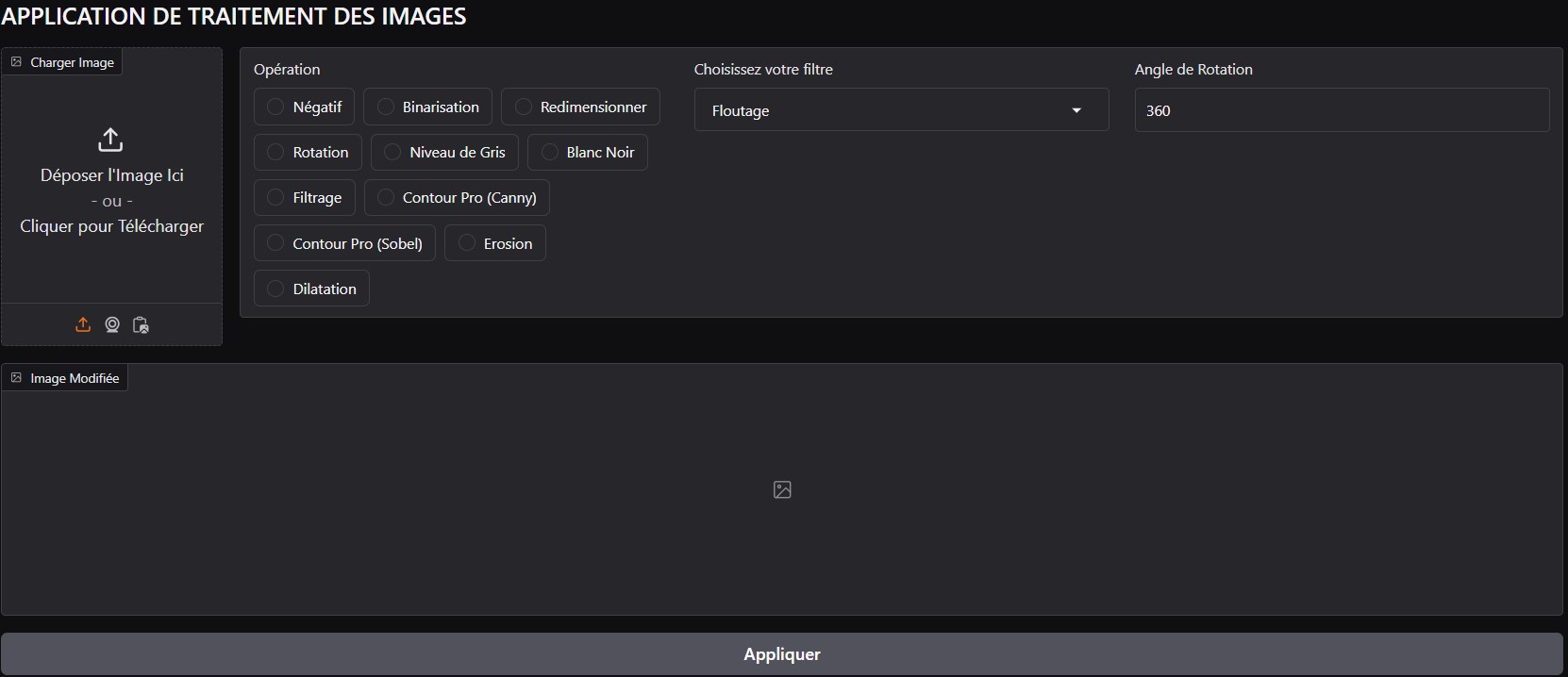
Real-Time Image Processing Application with Gradio
Developed an interactive image processing application using Python, Gradio, and image processing libraries such as PIL, NumPy, OpenCV, and skimage. The application allows users to upload images and apply various transformations like negative filters, image rotation, and image filters (blurring, sharpening, edge detection, etc.), as well as morphological transformations (erosion, dilation).
Key features include contour detection using the Canny and Sobel algorithms, along with binarization, image resizing etc…. This project can be used for image analysis, computer vision data preparation, and rapid prototyping of imaging applications.
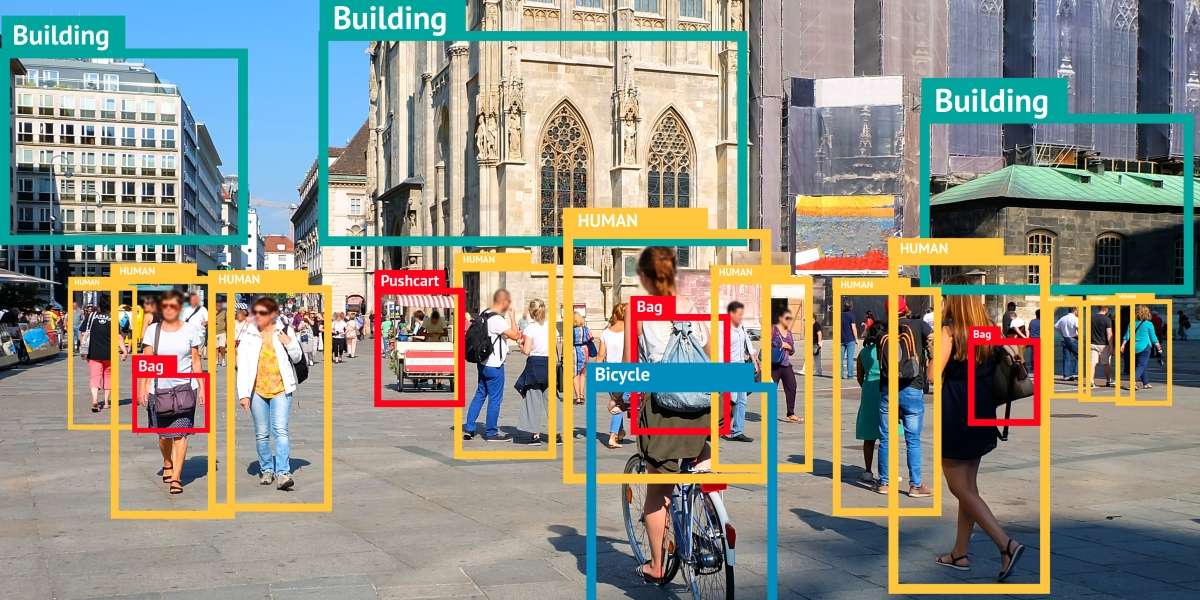
Real-Time Object Detection with YOLOv5
Developed and fine-tuned a YOLOv5 model for real-time object detection in various environments using Python and PyTorch. The project involved training on large datasets like COCO and PASCAL VOC, optimizing the model for speed and accuracy. The deployed solution successfully identified multiple object categories in real-time, with an average precision (AP) of 0.85. This model was implemented for surveillance and traffic monitoring systems, improving response times and safety measures.
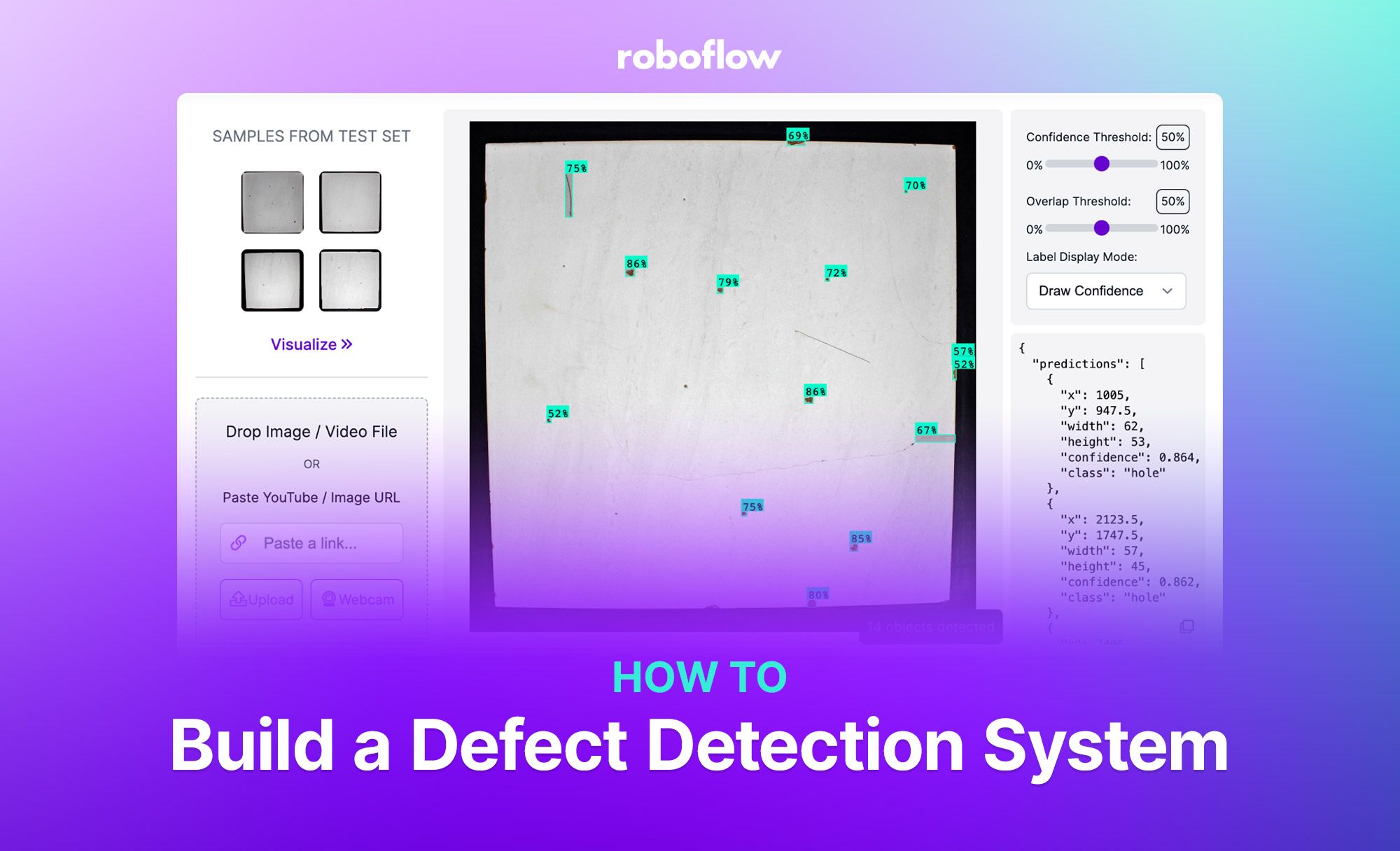
Automated Defect Detection in Manufacturing Using CNNs
Built a convolutional neural network (CNN) in TensorFlow to detect surface defects in manufacturing materials. The model was trained on a dataset of high-resolution images, achieving an accuracy of 92% in identifying various defect types. The project enabled manufacturers to automate quality control processes, reducing human error and improving production efficiency. This solution was applied in industries ranging from automotive to electronics.
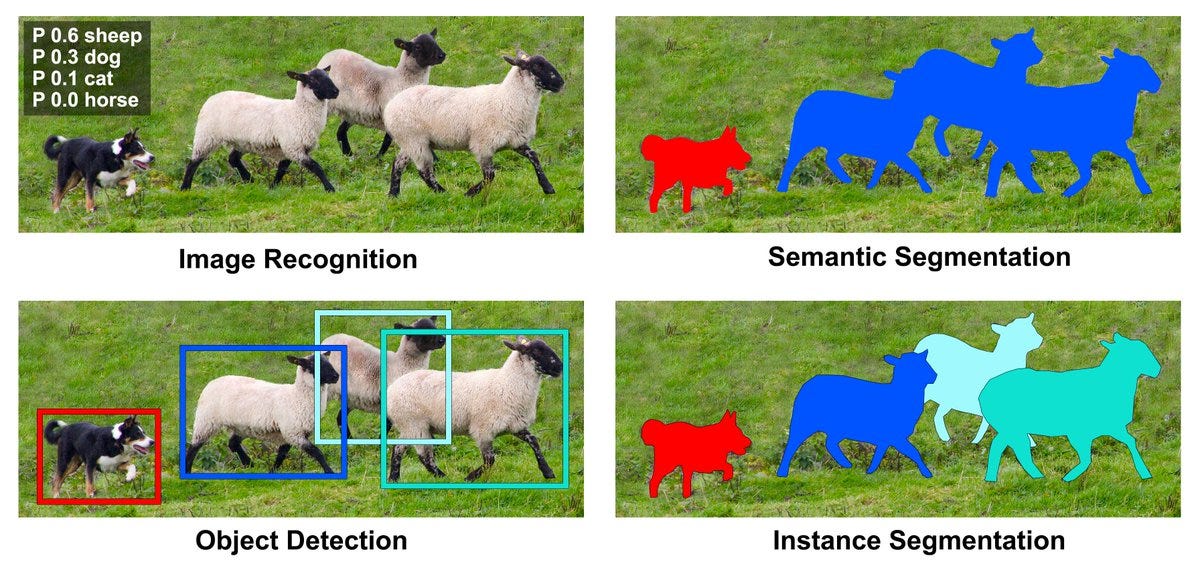
Semantic Segmentation for Urban Scene Understanding
Utilized U-Net and Mask R-CNN architectures to perform semantic segmentation on urban scene datasets. By leveraging Python and Keras, the model achieved pixel-level accuracy in identifying road lanes, vehicles, pedestrians, and other critical objects in urban environments. The project was instrumental in the development of autonomous driving systems, contributing to safer and more accurate navigation solutions.
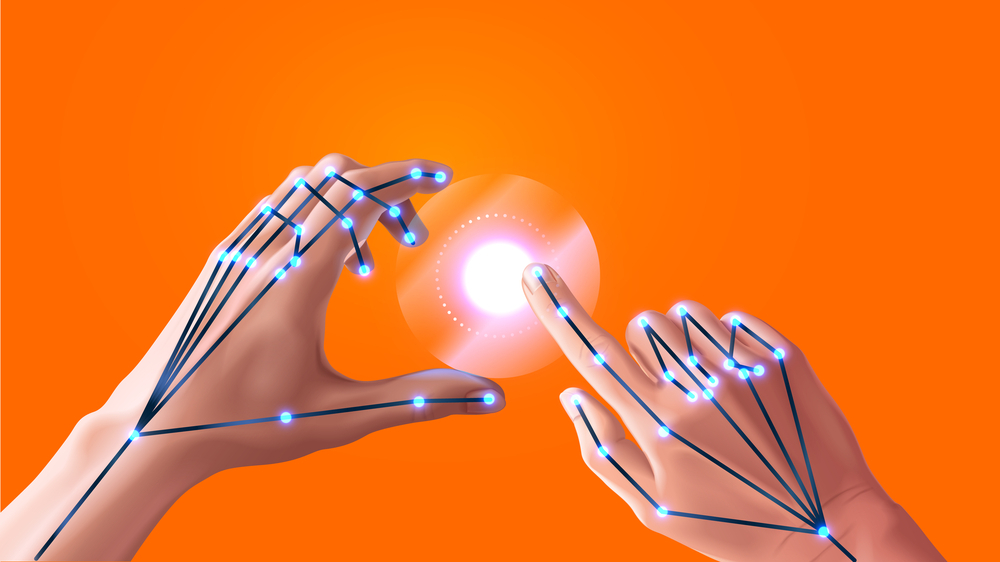
Gesture Recognition for Human-Computer Interaction
Created a CNN model to recognize hand gestures from video input, using OpenCV for image preprocessing and TensorFlow for model training. The system was able to classify hand gestures in real-time, facilitating touchless interaction in human-computer interfaces. This solution was deployed in smart home systems and virtual reality applications, enhancing user experience with an accuracy of 94%.
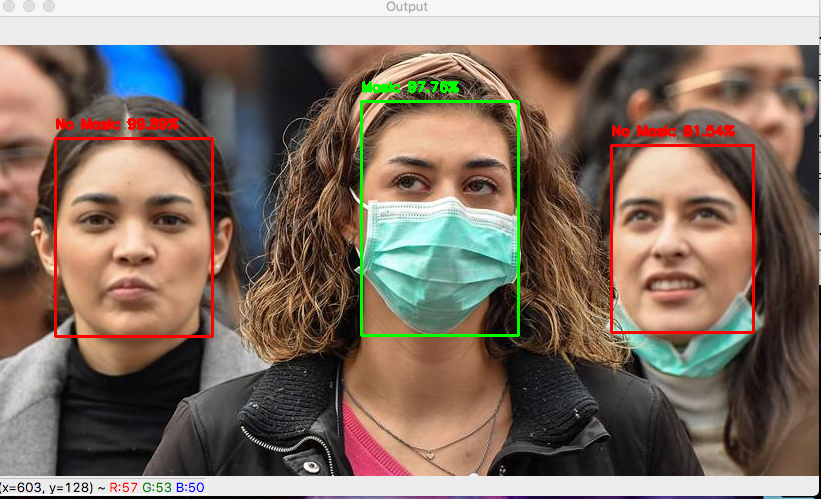
Face Mask Detection During the COVID-19 Pandemic
Developed a real-time face mask detection system using YOLOv4 and OpenCV, identifying whether individuals were wearing masks in public spaces. This project was crucial during the COVID-19 pandemic, ensuring compliance with health and safety regulations. The system achieved an accuracy of 90% and was deployed in public transport stations and shopping centers.
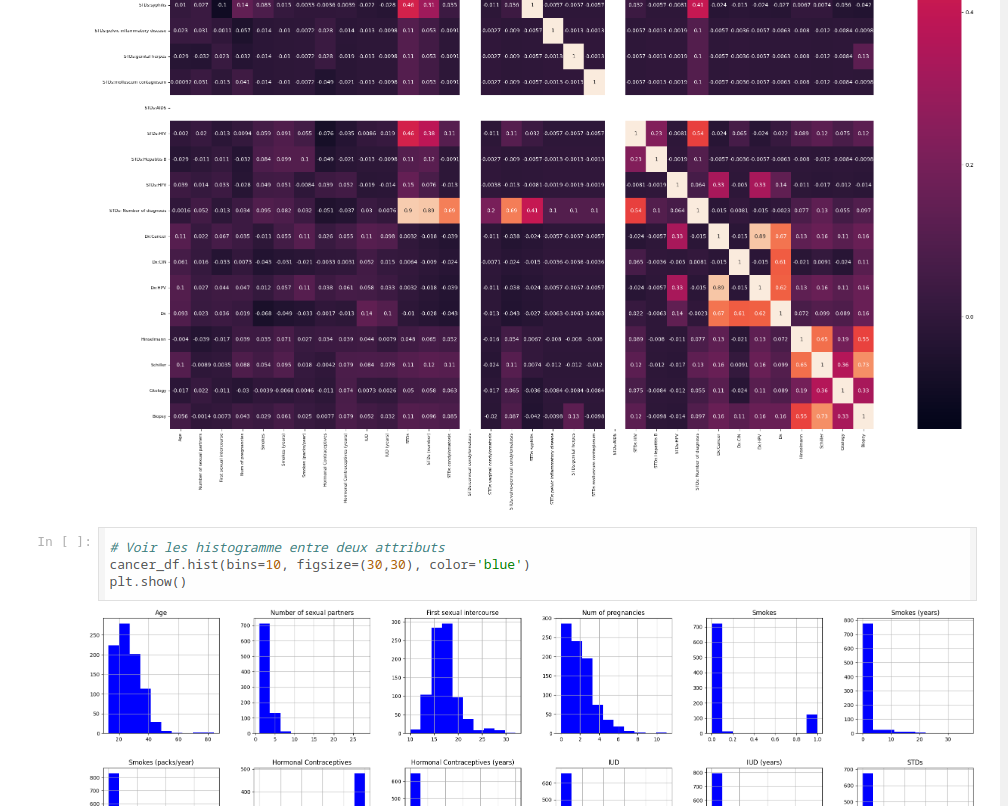
Prediction Cervical Cancer With Machine Learning
Cervical cancer prediction using machine learning empowers healthcare systems with tools for early detection and preventive care. By analyzing medical data and risk factors, this approach identifies patterns that predict the likelihood of cervical cancer. Machine learning algorithms can enhance diagnostic accuracy and support personalized treatment plans. This project focuses on applying predictive models to cervical cancer datasets, offering insights into healthcare innovations and the transformative role of AI in improving patient outcomes.
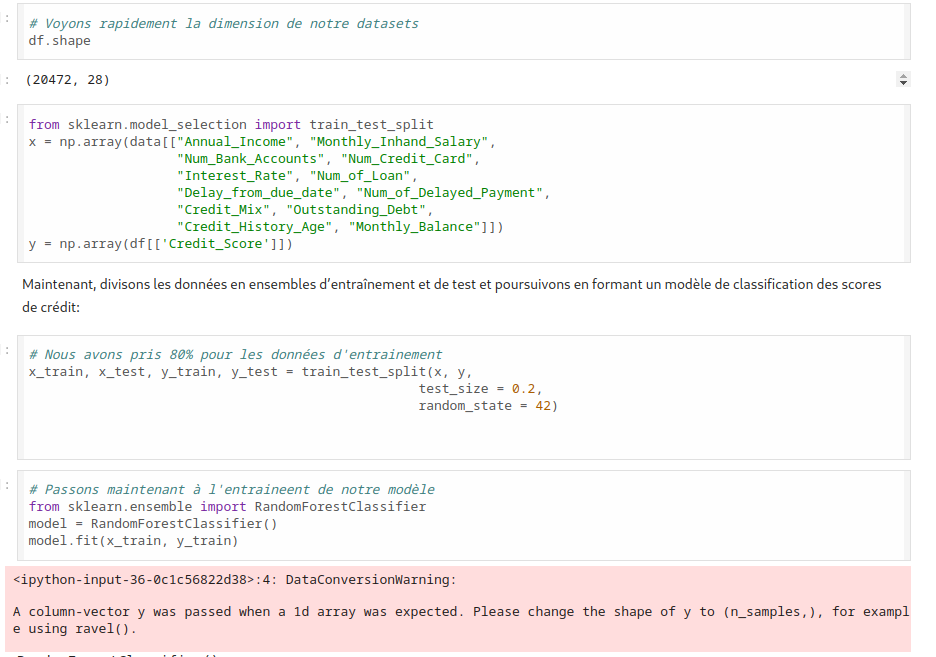
Credit Score Classification Helps Financial Institutions
Credit score classification helps financial institutions and credit card companies assess an individual’s creditworthiness, enabling quick loan approval decisions. Leveraging machine learning algorithms, banks categorize clients based on their credit history, ensuring accurate credit risk assessment. This project provides a step-by-step guide to implementing credit score classification using Python, offering insights into applying data science techniques for financial decision-making and customer segmentation.
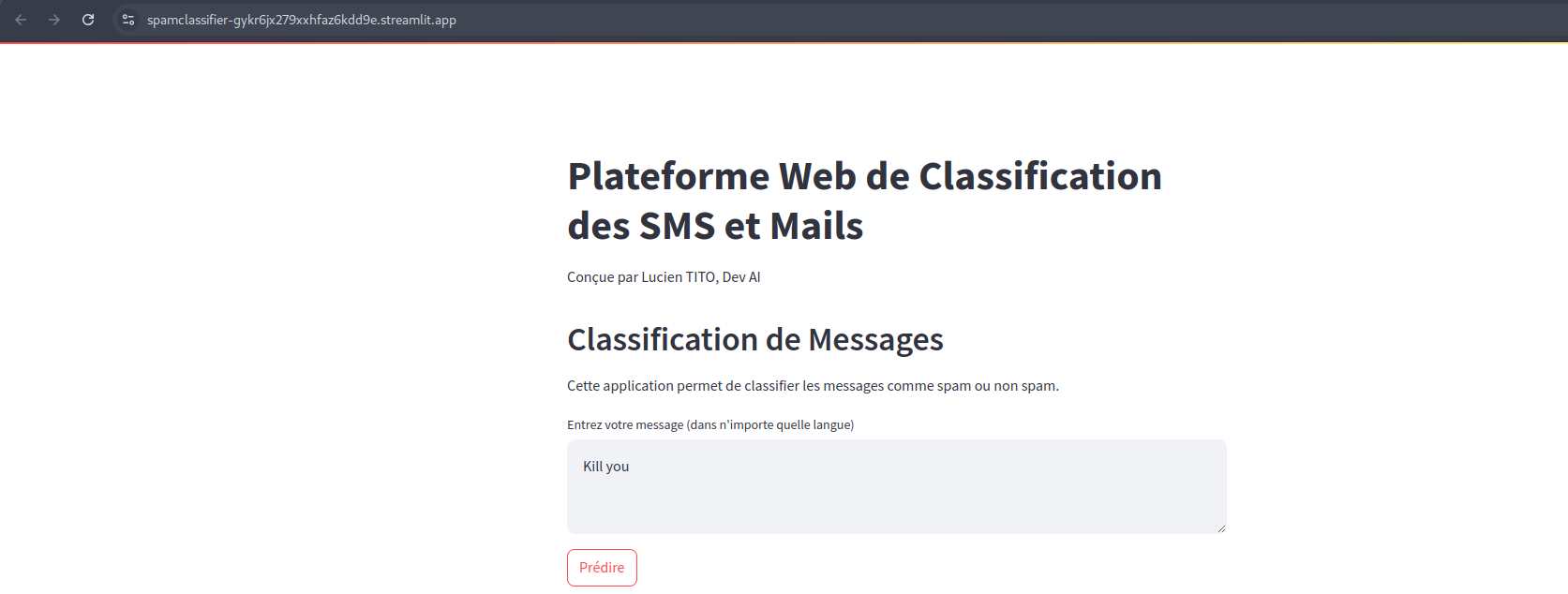
Email Classification Using NLP
Email Classification leverages natural language processing (NLP) and machine learning techniques to categorize emails into predefined classes such as spam, promotions, or important messages. This system improves email organization and productivity by analyzing text content and metadata to provide accurate and efficient classification. It is widely applicable in email management, customer service automation, and cybersecurity, ensuring better filtering and prioritization of email communication.
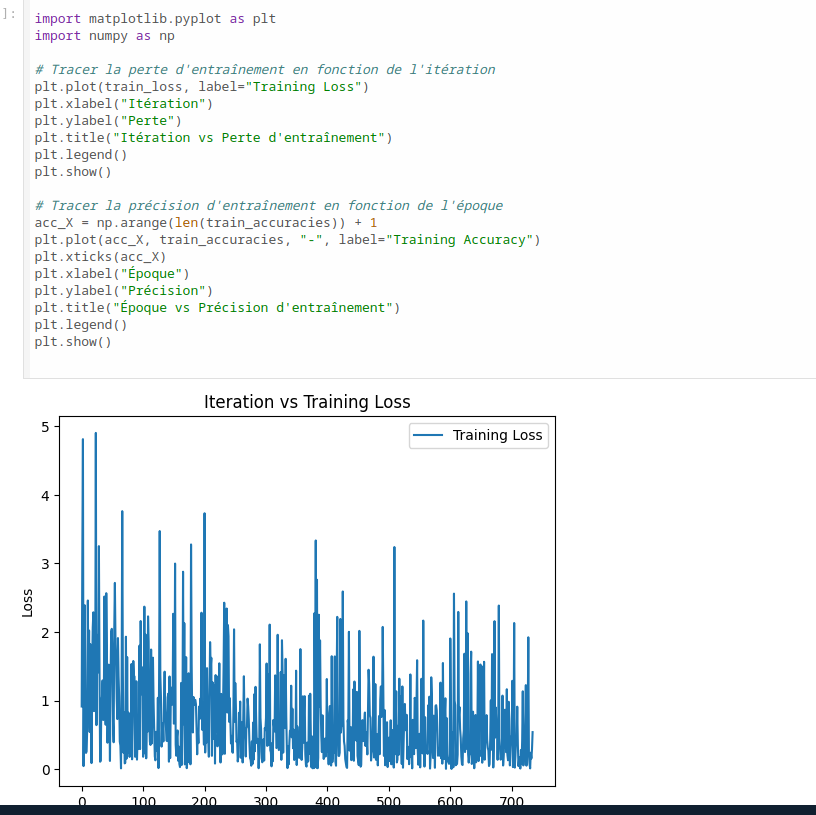
Emotion Recognition from Speech
Emotion-Recognition-from-Speech uses deep learning and advanced speech processing techniques to analyze audio data and classify spoken sentences into distinct emotions such as happiness, anger, or sadness. This innovative model aims to enhance applications in customer service, mental health analysis, and interactive AI systems by providing accurate emotion detection from speech. It combines cutting-edge neural networks with audio feature extraction for reliable and scalable emotion classification.
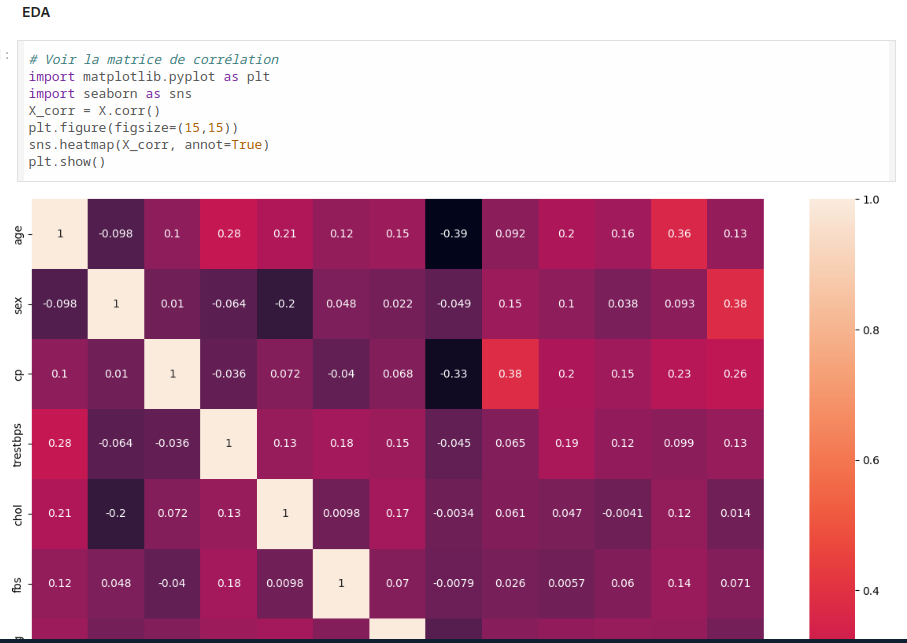
Heart Disease Predictions
Heart Disease Predictions leverages advanced machine learning algorithms to analyze patient data and predict the likelihood of heart disease. This tool aims to assist healthcare professionals in early diagnosis, improving treatment outcomes, and reducing risks. By processing data like blood pressure, cholesterol levels, and other vital metrics, the system provides accurate predictions, helping to guide informed medical decisions.
Streaming-Based Platform for Personalized Recommendations
This project showcases the development of a streaming-based platform that delivers personalized recommendations in real time. Built with advanced technologies such as Flask, ChromaDB, and Python, the platform integrates dynamic recommendation capabilities powered by Machine Learning.
Key Features:
- Real-Time Content Recommendations: Uses Machine Learning to suggest personalized content based on user behavior and preferences.
- Efficient Data Handling with ChromaDB: Manages metadata-rich documents for efficient storage and retrieval, enabling a smooth query experience.
Talks & Lectures
- Advancements in Real-Time Object Detection - GSP Seminar, Spring 2023
- Guest Lecture: Deep Learning for Image Segmentation - Computer Vision Applications (CVA 501), Fall 2022
- Workshop: Implementing YOLO for Object Detection - AI in Industry Conference, Spring 2022
- Panel Discussion: The Future of Gesture Recognition Technology - Tech Innovators Forum, Fall 2021
- Guest Lecture: Applications of CNNs in Computer Vision - Advanced Image Processing (AIP 403), Spring 2021
-
Seminar: Ethical Considerations in AI and Computer Vision - AI Ethics Symposium, Fall 2020
- Data Science Blog